
Savix pricing and the seat-count decision
October 25, 2026 · Source-based guide

Loopio can be a suitable library-centered response platform. A team may still revisit its choice when its source ownership, response volume or security workload changes. This guide does not invent product defects or copy third-party complaints.
Write the changed requirement first. You may need a different commercial unit, less duplicate knowledge maintenance, a different reviewer model or a security-led response process. A longer feature list alone is a weak reason to migrate.
Use these five criteria to compare a replacement against your current operation. A pilot should demonstrate the change you need.
Test whether the team can launch a new response with known sources, question owners and review responsibilities. Include amendments and late changes in the demonstration.
Ask for visibility into unresolved exceptions and approved answers, not only generated volume. Keep a record of the final submission and the decisions behind it.
Request controls and contractual evidence for the actual plan. Test source permissions, ordinary reviewers, revocation and the exit process.
Use your own buyer documents and confidentiality rules. Model annual volume and peak concurrency rather than assuming a general enterprise label fits.
Ask an occasional specialist to complete a task. Confirm how assignments, rejected answers and approval changes are handled without broad administrator permissions.
| Provider | Features to demonstrate | Security evidence | Response scenario | Trial |
|---|---|---|---|---|
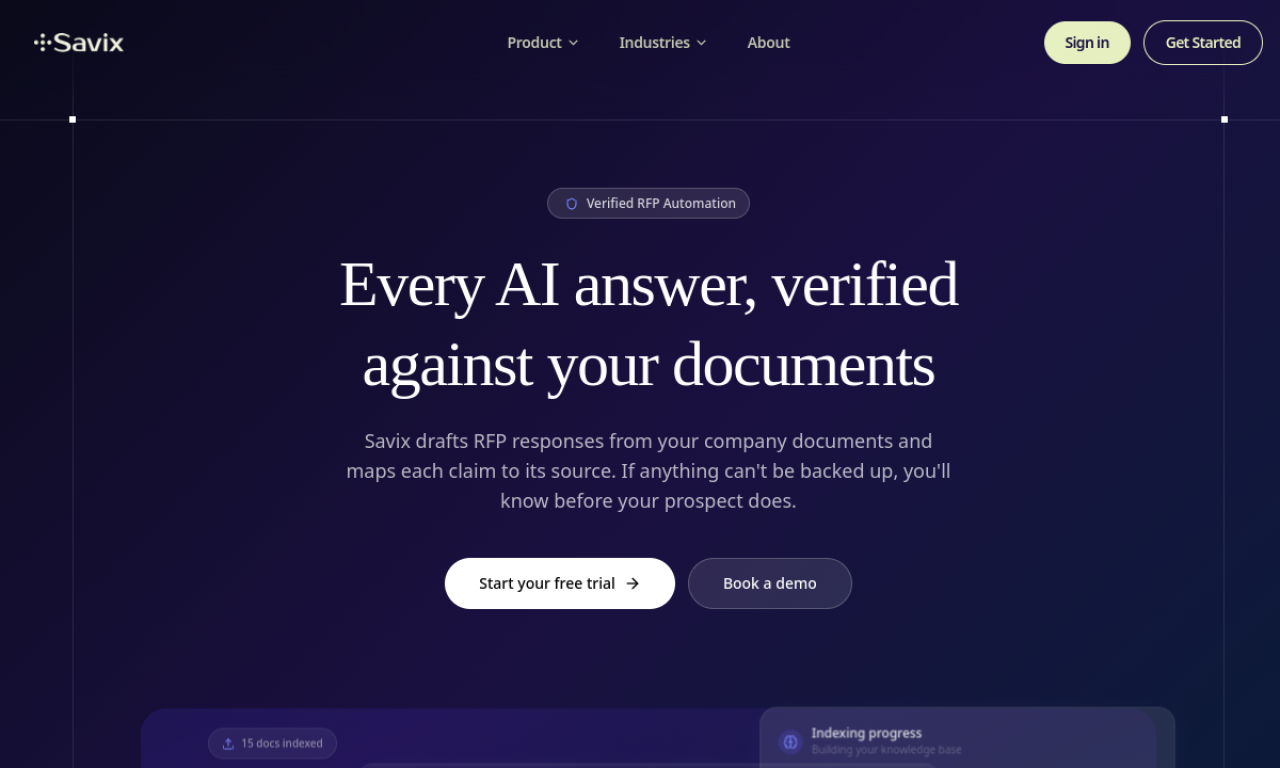
| Savix | Source citations Quality audit AI response drafting | Request current product scope and plan-specific controls. | A bounded rollout with source-level review | Trial available; duration and payment requirements at signup |
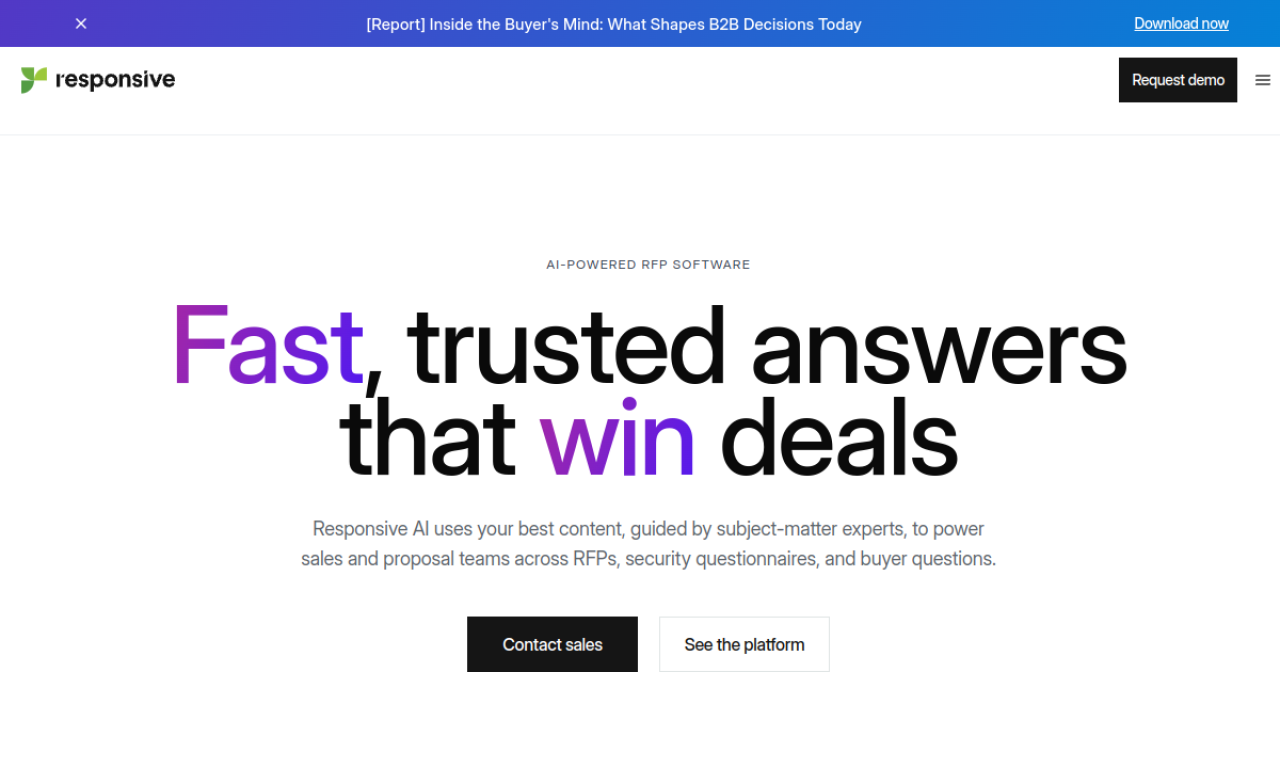
| Responsive | AI response drafting Requirements extraction Quality audit | Request current product scope and plan-specific controls. | Coordinating a larger response operation | Trial terms not confirmed; ask the vendor |
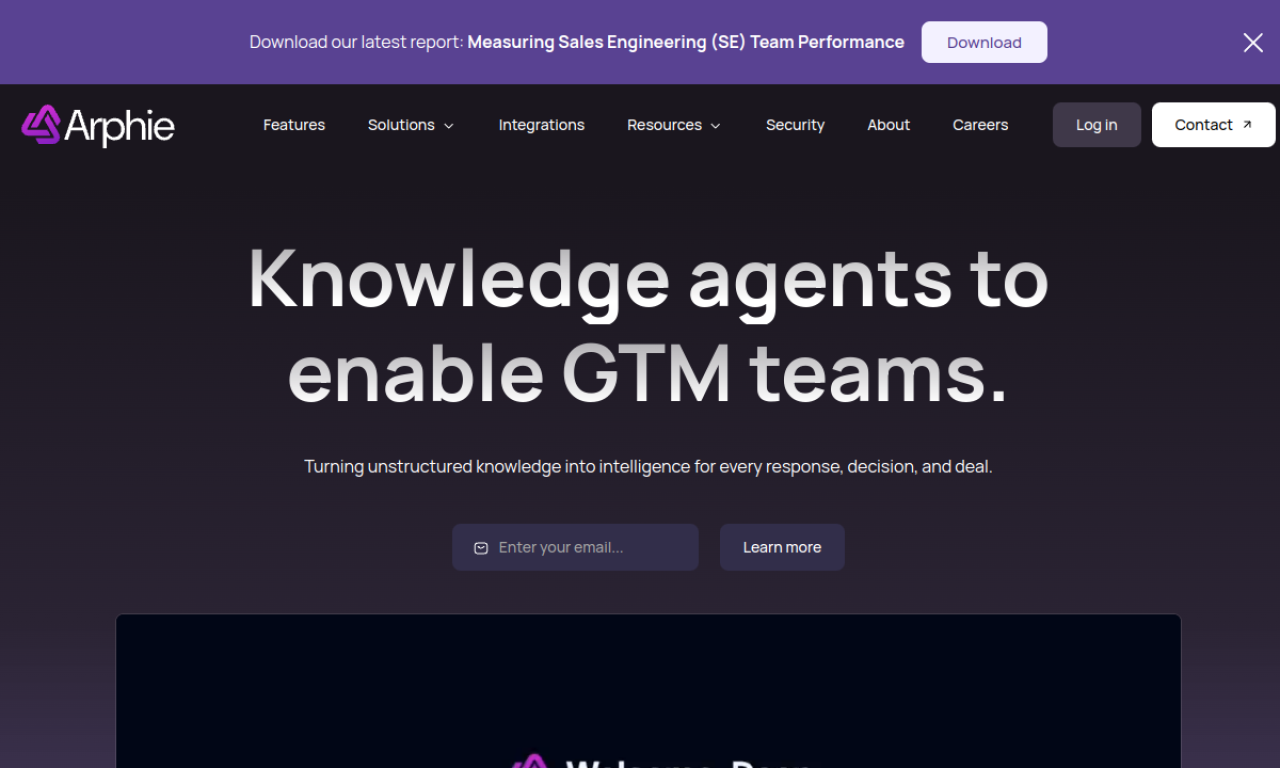
| Arphie | AI response drafting Tone & style adaptation Live content retrieval | Request current product scope and plan-specific controls. | AI drafting connected to maintained company knowledge | Trial terms not confirmed; ask the vendor |
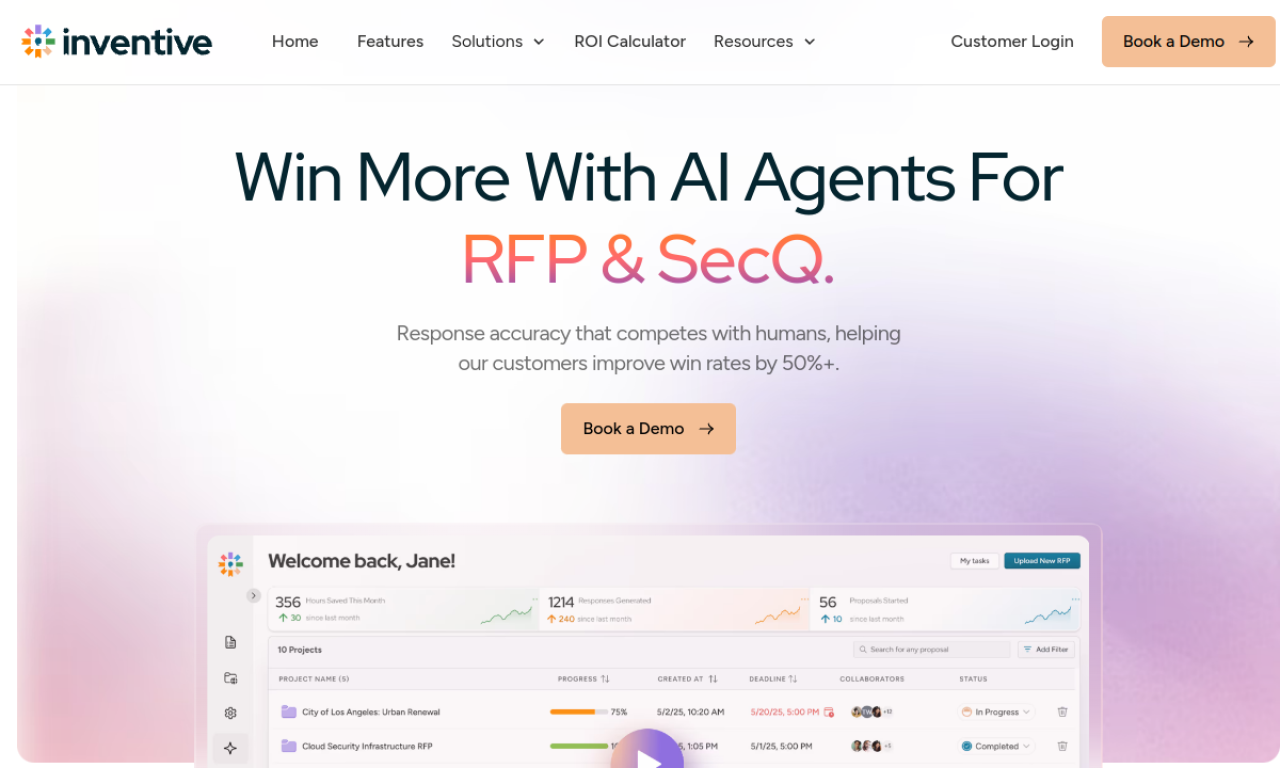
| Inventive AI | Go/no-go evaluation AI response drafting Quality audit | Request current product scope and plan-specific controls. | Budgeting for response volume rather than occasional seats | Trial terms not confirmed; ask the vendor |
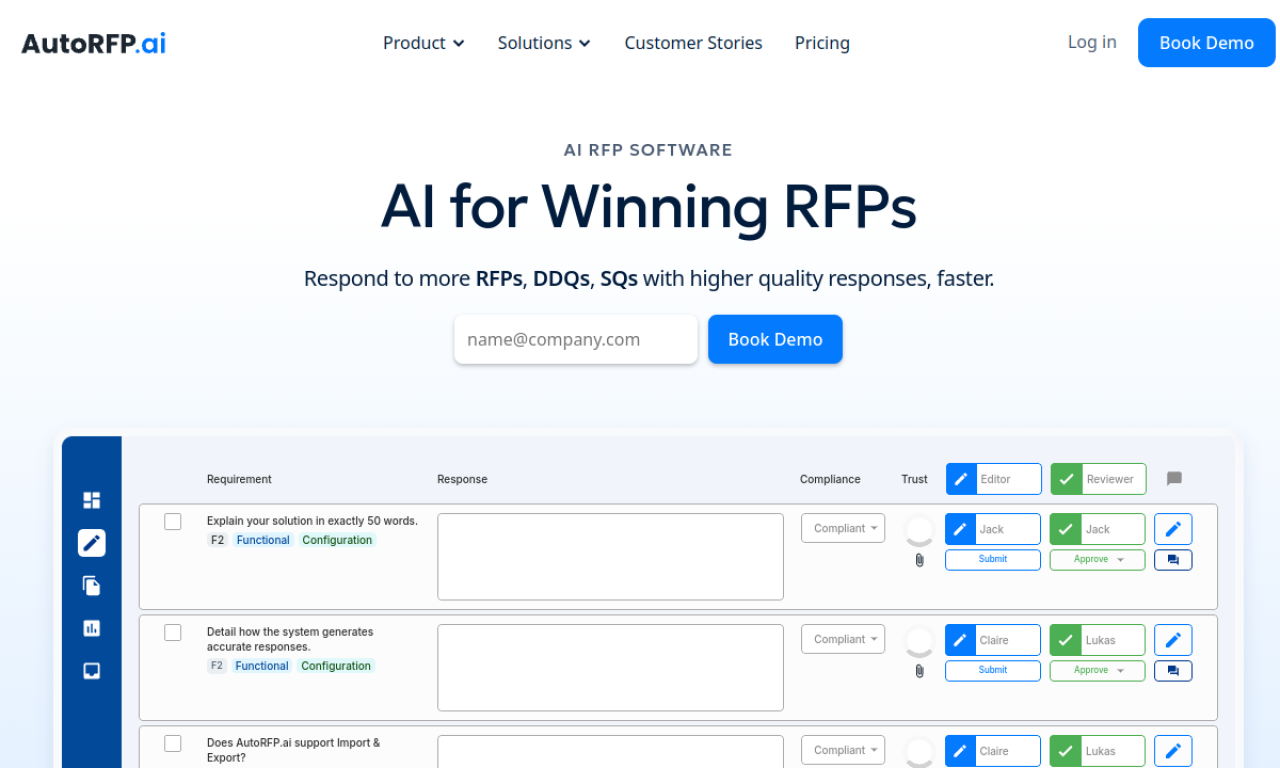
| AutoRFP.ai | AI response drafting Browser & portal completion Content freshness management | Request current product scope and plan-specific controls. | A project-volume contract with a defined rollout | No free trial confirmed; conditional 30-day money-back guarantee |
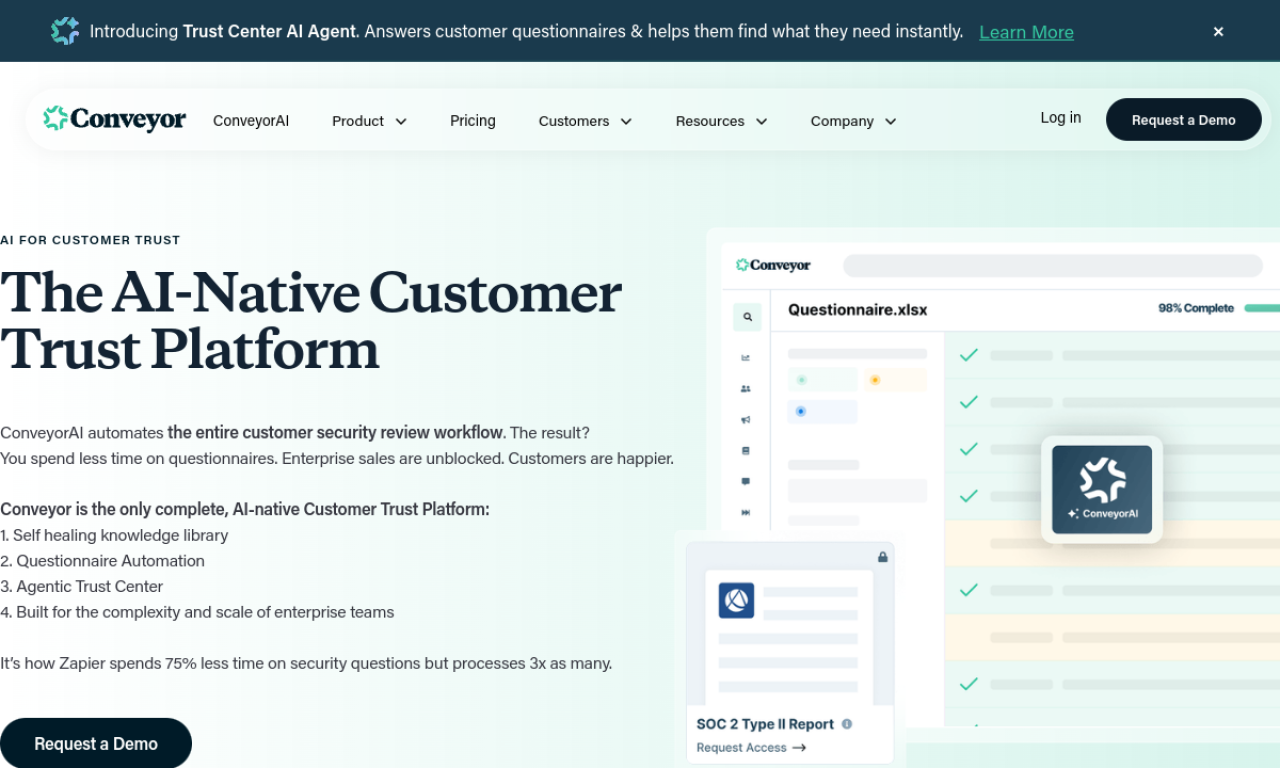
| Conveyor | AI response drafting Content freshness management Source citations | Request current product scope and plan-specific controls. | Security review and trust-content distribution | Trial advertised; duration unpublished. Free plan excludes questionnaire automation. |
This preliminary table is a source-based shortlist. Confirm each provider’s exact scope; it is not a numeric ranking or an independent product test.
Use these questions to decide whether a different approach justifies the transition cost.
1. Does the new workflow solve a documented requirement that configuration cannot solve in the existing platform?
2. Can the new system preserve the approved library’s source context, tags, owners and review dates?
3. Does the quote use the same role mix, annual volume and service assumptions?
4. Can ordinary reviewers access only the intended projects and evidence?
5. Does the actual exported submission pass the owner’s check?
6. Have both vendors confirmed overlap, renewal, exit export and deletion terms?
7. Can the team maintain the new source and content responsibilities after launch?
Keep a rollback copy of approved content until the new workflow passes acceptance. Migration effort belongs in the ownership cost. Stay when the current system meets the requirement at lower transition risk; move when the tested improvement and full scope justify the change.
No. They are candidates with different source-based buying hypotheses. Validate the required workflow and controls directly.
Compare current written quotes and internal operating costs. No unsupported saving against Loopio is claimed.
Use representative documents, reviewers and confidentiality rules, then record the accepted export and open risks.
October 25, 2026 · Source-based guide
October 25, 2026 · Source-based guide
For the next buying decision, compare Savix and Loopio in detail; prepare source cleanup and migration acceptance.